Culture Room Article
What Is HACCP Training? A Practical Guide
“HACCP training” and “food handler training” get used interchangeably in South Africa, but an inspector, an auditor and a retailer questionnaire mean two different things by them. Here’s what HACCP training actually covers, who needs it, and where it fits alongside your R638 obligations.
What HACCP training covers
HACCP (Hazard Analysis and Critical Control Points) is a preventative food safety system: instead of only inspecting the finished product, you identify where hazards can enter your process and put controls at those specific points. HACCP training teaches the method itself, typically:
- Conducting a hazard analysis for a process or product
- Identifying Critical Control Points (CCPs)
- Setting critical limits and monitoring procedures
- Corrective actions when a limit is breached
- Verification and record-keeping
That’s a different skill set from general food handler training, which is about personal hygiene and safe handling practices for anyone touching food. See our glossary definition of HACCP and CCP for the short version.
Who actually needs it
Not everyone on the floor. HACCP training is usually aimed at:
- The person who owns your HACCP plan (often the Person in Charge, a QA manager, or both)
- Supervisors and team leaders who need to recognise when a Critical Control Point has been missed
- Anyone preparing for a GFSI-benchmarked certification such as FSSC 22000 or BRCGS, both of which require demonstrated HACCP competence as part of certification
General food handlers still need the hygiene and safe-handling training R638 requires, they don’t generally need full HACCP-method training unless their role involves monitoring or managing a CCP.
HACCP training and R638: how they relate
Regulation R638 requires appropriate training and evidence of competency for every food handler, and accredited training specifically for the Person in Charge. It doesn’t name HACCP directly, but HACCP principles sit behind a lot of what R638 is checking for in practice, hazard awareness, temperature control, corrective action. If your business supplies retailers or works toward FSSC 22000 or BRCGS, HACCP training is usually where that requirement shows up first. Our food handler training in South Africa guide covers the R638 side in full.
Choosing a HACCP course
Match the level to the role rather than defaulting everyone to the same course:
| Level | Typical audience | Typical length |
|---|---|---|
| HACCP awareness | Supervisors, general staff who need context | Half-day to one day |
| HACCP Level 2/3 | Whoever helps maintain the HACCP plan | One to a few days |
| HACCP lead auditor | The person who owns certification readiness | Multi-day, accredited |
Course length, price and accreditation body vary by provider, check that any course you book is delivered by an accredited training provider recognised for the certification scheme you’re working toward.
Keeping it current after the course
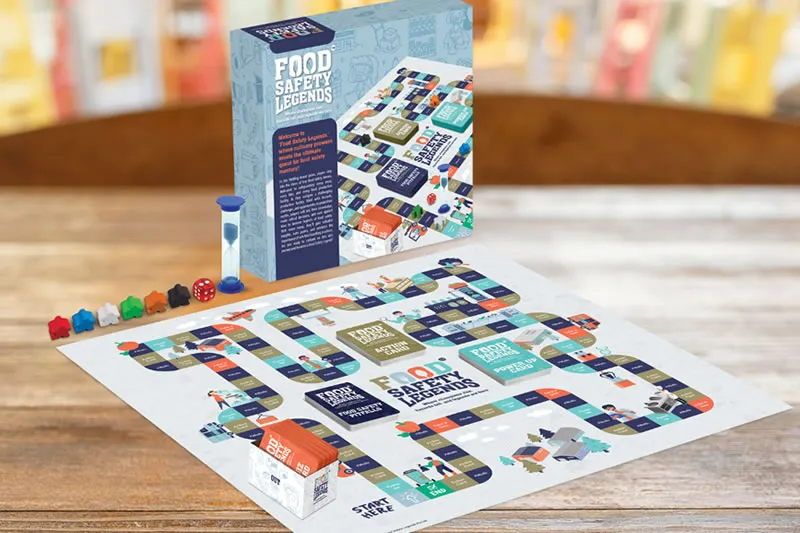
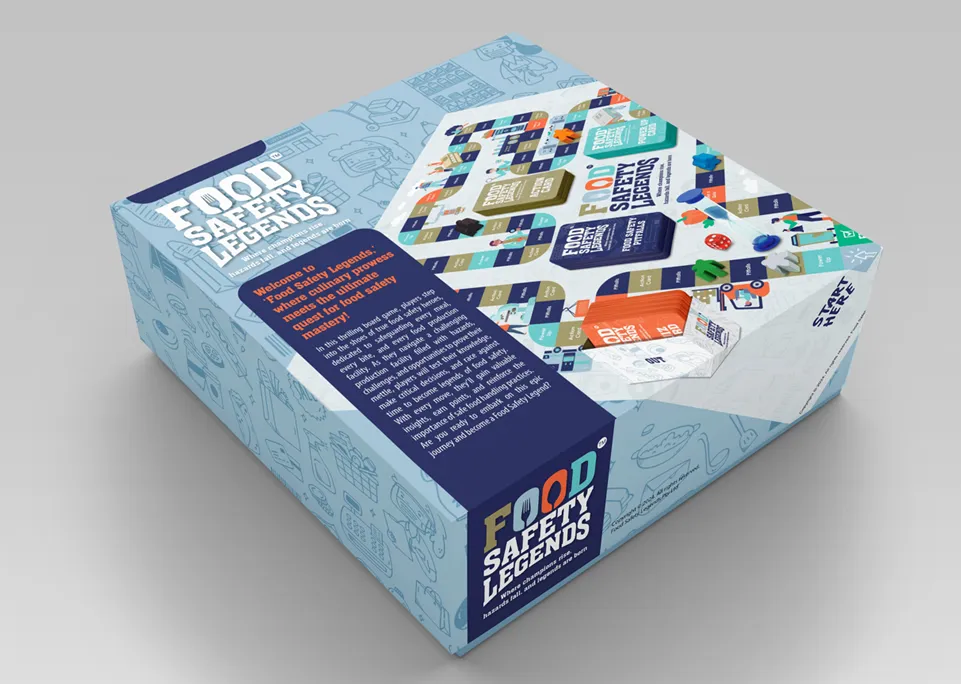
A HACCP course is a point-in-time event. What keeps the CCPs, corrective actions and reasoning behind them live in people’s heads between refreshers is repetition. Food Safety Legends is built around real production scenarios, Pitfall cards mirror the hazards a HACCP plan is designed to catch, and Power-Up cards mirror the corrective action, so teams keep practising the thinking HACCP requires, not just the paperwork. It doesn’t replace HACCP training or issue certificates; it keeps the training from fading. See how it fits a training programme or order the game.
Common questions
Do I need HACCP training in South Africa?
Regulation R638 requires food handler training and accredited training for your Person in Charge, but it doesn't mandate HACCP by name. HACCP training becomes necessary once your business needs it for another reason: supplying a retailer that requires it, or working toward a GFSI-benchmarked certification like FSSC 22000 or BRCGS, both of which are built around HACCP principles.
What's the difference between food handler training and HACCP training?
Food handler training covers personal hygiene, cross-contamination, temperature control and safe handling for anyone touching food. HACCP training covers a specific system for identifying hazards and controlling them at critical points in your process, aimed more at the person designing or managing the food safety plan than at every handler on the floor. Most businesses need food handler training for everyone and HACCP training for a smaller group: QA staff, supervisors, the Person in Charge.
How long does HACCP training take?
It varies by provider and level, from a one-day HACCP awareness course to multi-day HACCP Level 3/4 or lead-auditor programmes. Match the level to the role: general awareness for supervisors, a deeper qualification for whoever owns your HACCP plan.
Does Food Safety Legends provide HACCP training?
No. Food Safety Legends is not accredited training and doesn't issue HACCP certificates. It's built to reinforce the HACCP and hygiene principles your team already learned in accredited training, through real production scenarios, so the concepts stay current between formal refresher cycles.